
Why Does Everyone Tell Motorcycle Riders How Dangerous Motorcycles Are?
There is a strange little ritual that seems to happen whenever someone finds out you ride a motorcycle. You can be talking to a friend, a family member, a coworker, or a complete stranger. Somehow the conversation eventually makes its way to motorcycles.
“Oh, you ride?”
“Yeah.”
And then comes the story.
“I knew someone who died on a motorcycle.”
Or:
“My cousin used to ride. He got into a terrible accident.”
Or maybe it's simply:
“Those things are dangerous.”
It happens so often that sometimes we wonder if there is an unwritten rule somewhere that says every person who hears the words ‘‘I ride motorcycles’’ has to immediately tell you about somebody they knew who was killed on one. And honestly, it can get a little frustrating. As motorcycle riders we understand the risks and dangers that can be associated with motorcycles, and it’s not as if we haven’t already considered that.
We know there isn't a steel cage around us, or airbags waiting to catch us. We know that if a car turns left in front of us, the consequences can be very different than if that same car turned in front of another car. We know that wearing a helmet, protective motorcycle gear, gloves, boots and armor doesn't make us invincible.
Most of us didn't get on a motorcycle because we somehow missed the memo about the risks, we got on because there was something on the other side of that risk that was worth experiencing.
Let's talk about the statistics.
We've heard people compare motorcycle deaths to car deaths before, and there is a temptation to say, “Well, there are way more people killed in cars, so motorcycles aren't actually that dangerous.”
That's not quite true.
With a simple Google scearch we found that the National Highway Traffic Safety Administration said that, 22,713 passenger-vehicle occupants were killed in crashes in the United States last year alone. That same year, 6,228 motorcyclists were killed.
So yes, there are substantially more passenger-vehicle occupants killed in absolute numbers, but that isn't the fairest way to compare the two. People drive cars far more often and for far more miles than they ride motorcycles.
When NHTSA looks at deaths per vehicle mile traveled, the picture changes dramatically. In 2025, motorcyclists were almost 27 times more likely to die in a motor vehicle crash per mile traveled than passenger-car occupants.
Motorcycles are inherently more vulnerable, but there is another part of the conversation that gets lost when all someone wants to tell you is how dangerous your motorcycle is:
Risk isn't the same thing as recklessness.
There is a difference between understanding a risk and being unaware of it.
There is a difference between respecting something and being afraid of it.
And there is a difference between telling someone to ride safely and repeatedly telling them that they're probably going to die.
Maybe that's the part that bothers me, we don't think most people who tell these stories are trying to be cruel. We think a lot of it comes from fear. Motorcycles are unfamiliar to people who don't ride them, and when something is unfamiliar, it's easy to fill in the blanks with the stories we've heard. Someone's uncle died, friend crashed, someone saw a motorcycle accident on the highway. Someone heard that motorcycles are dangerous and eventually those individual stories become the entire picture.
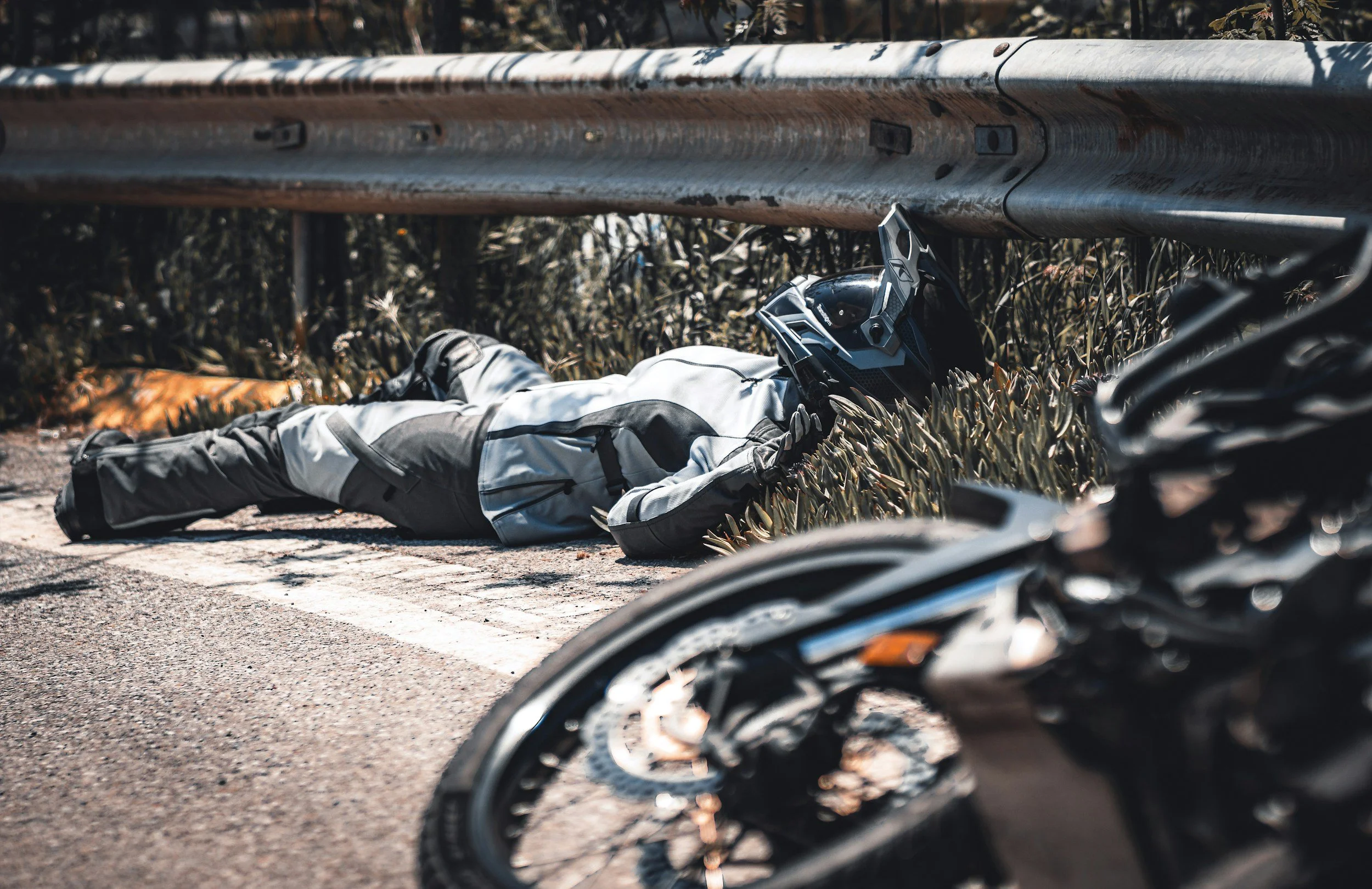
Statistics don’t work that way
A motorcycle accident that happens to someone you know is real, but their story isn't necessarily your story.
The same way that knowing someone who died in a car accident doesn't mean every time your friend gets into a Honda you feel obligated to explain the dangers of driving. We understand that cars can be dangerous without treating every person who drives one like they're making an irresponsible decision. We'd like motorcycles to get some of that same understanding and maybe this is where we need to have a more productive conversation.
Instead of: “You ride motorcycles? That's so dangerous.”
How about: “Do you wear a helmet, did you take a riding course, do you have good gear, do you ride sober, do you know what to watch for from other drivers?” Those conversations actually help.
Fear by itself doesn't make someone a safer rider, but education, preparation, experience and good judgment can. And protective gear can help reduce the consequences when something does go wrong. That's part of why we care so much about what we make at Chic Riot.
Where we come in
We're not making motorcycle gear because we believe a jacket can make someone invincible, we're making it because if you're going to ride, we believe you deserve gear designed around your body and your needs.
Women already have enough things to think about when it comes to getting on a motorcycle. Finding gear that actually fits. Finding motorcycle jeans that don't fit like men's jeans with a different size printed on the tag. Finding jackets that accommodate a woman's shape without sacrificing protection. Finding gloves that don't leave half an inch of extra material at the fingertips. And finding gear that makes you feel like yourself instead of making you feel like you're borrowing someone else's idea of what a motorcycle rider is supposed to look like.
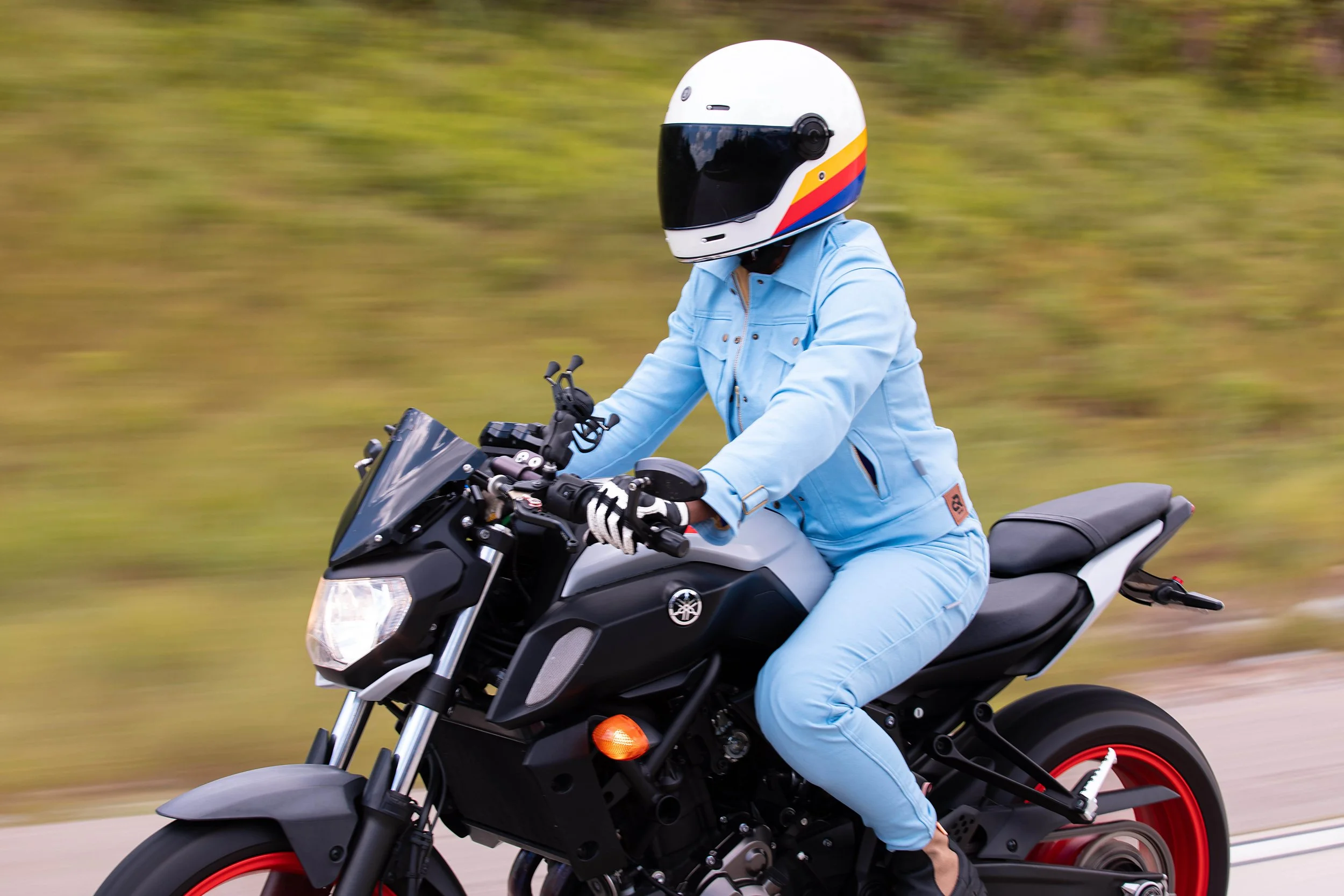
There is something about being a woman on a motorcycle that seems to make some people especially concerned about your safety. And we understand where that concern comes from. You should care about one another. We should want our friends and family to come home. But there is a difference between caring about someone's safety and making them feel like they need permission to participate in something they love.
We don't want to romanticize the danger, that's not what this is. Motorcycles are dangerous, people get hurt and people do die. The statistics are real, and pretending otherwise doesn't help anyone.
But neither does reducing an entire community of riders to a collection of tragic stories.
There are thousands upon thousands of people who ride motorcycles every day, who take training seriously, wear their gear, pay attention, make mistakes and learn from them, look twice at intersections and try their best to make it home.
They aren't fearless, they're informed and maybe that's an important distinction. Because courage isn't the absence of fear.
So, the next time you find out someone rides a motorcycle, maybe you don't have to tell them about the person you knew who died.
Instead, here’s a list of questions to ask
What do they love about riding.
Ask them where they've been.
What kind of bike they ride.
Ask them where they're going next.
